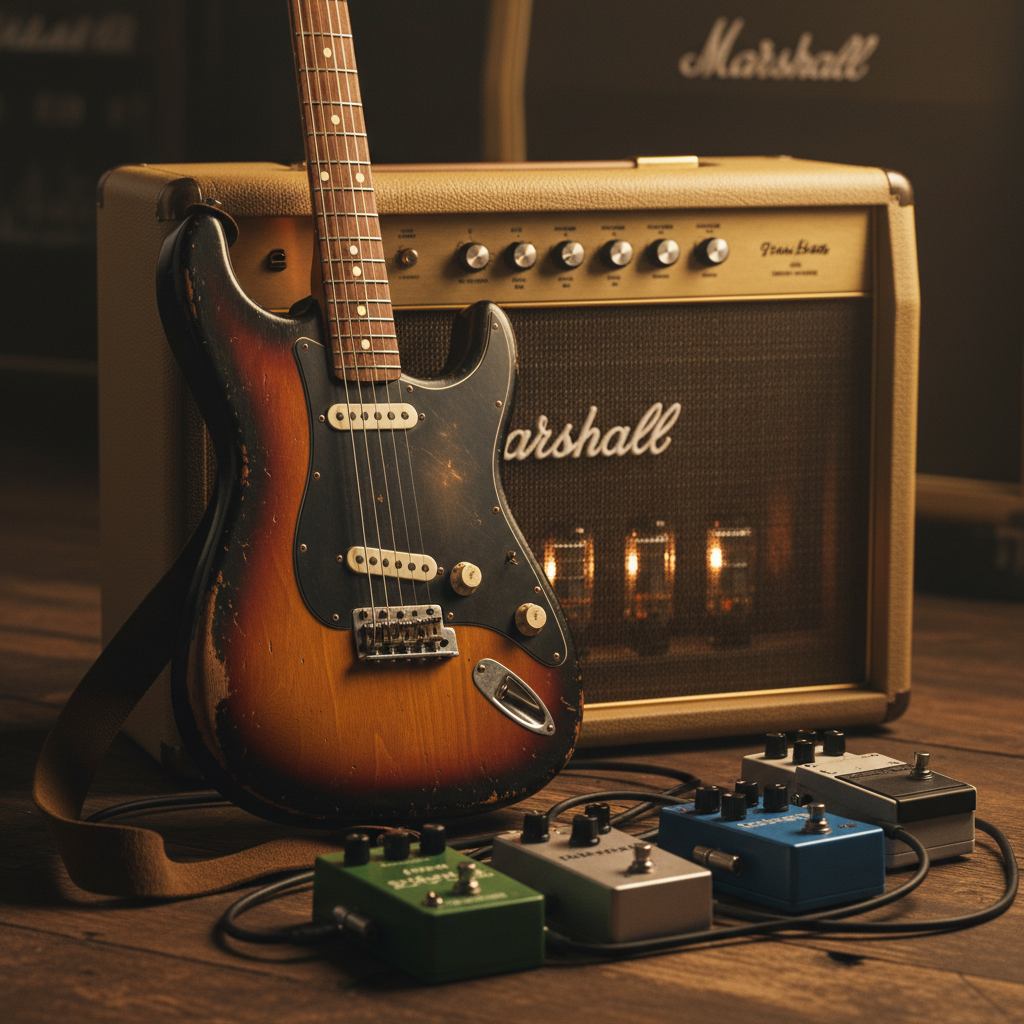
Gospel Guitar Tone: How to Dial In the Perfect Sound
Discover how to dial in the perfect gospel guitar tone with this comprehensive guide from Julian Hoover. Explore gear, settings, and techniques to elevate your worship sound.
By Julian Hoover
As a gospel guitarist, dialing in the perfect tone is essential for enhancing your worship experience and connecting with your congregation. Whether you're leading a choir or playing in a small group, the right guitar tone can elevate your sound. This guide will explore how to achieve that coveted gospel guitar tone, focusing on gear, settings, and techniques to suit your style.
Understanding Gospel Guitar Tone
Gospel guitar tone is often characterized by warmth, clarity, and a touch of creativity. The right tone can captivate an audience and facilitate a spirit-filled atmosphere. Here are some key elements that contribute to achieving that perfect gospel sound:
Warmth and Clarity
- Warmth: Achieved through tube amplifiers and quality pickups.
- Clarity: Ensured by selecting the right EQ settings and effects.
Essential Gear for Gospel Guitarists
Your gear greatly influences your overall tone. Here’s a checklist of essential equipment:
- Electric Guitar: Look for models with humbucker pickups for a fuller sound, or single-coil pickups for a brighter tone.
- Acoustic Guitar: Opt for a well-constructed model; look for solid tops and quality strings.
- Amplifier: Tube amps are ideal for gospel music; they provide dynamic warmth and clarity.
- Effects Pedals: A good reverb, delay, and overdrive pedal can greatly enhance your sound.
Dialing In Your Amp Settings
Once you have your gear, the next step is getting your amplifier settings right. Here’s a guide:
Basic Amp Settings
- Gain: Start low, around 3 to 4, to avoid unwanted distortion. You can increase it if you need a bluesy edge.
- Treble: Set between 5 to 7. Adjust based on the brightness you desire.
- Mid: Typically, you want to set this high (around 7 to 8) to cut through the mix, especially in worship settings.
- Bass: Keep this around 5. Too much bass can muddy your sound, especially in a group setting.
Sample Settings for Different Gear Types
-
For Single-Coil Guitars:
- Gain: 4
- Treble: 6
- Mid: 8
- Bass: 5
-
For Humbucker Guitars:
- Gain: 5
- Treble: 7
- Mid: 7
- Bass: 4
Essential Effects for Gospel Guitarists
Unlike other genre guitarists, gospel musicians often seek a blend of harmony and emotion in their soundscape. Here’s a closer look at what to include:
Reverb
Reverb adds a sense of depth and space to your sound, making passages more atmospheric:
- Type: Spring reverb is classic for its lush, natural sound.
- Mix: Start with a low mix (around 20-30%) and adjust according to your preference.
Delay
A subtle delay can create a captivating echo effect:
- Type: Choose analog delay for warmth.
- Time: Set your delay time to synchronize with the tempo of the song (typically between 400ms-700ms).
Overdrive
Overdrive can add sustain and warmth without being overpowering:
- Gain: Keep it moderate (1-3) to preserve clarity.
- Tone: Adjust to complement your guitar’s frequencies.
Playing Techniques for Gospel Music
Beyond gear and settings, your playing style can significantly impact your tone. Here are some techniques to consider:
Fingerpicking vs. Flatpicking
- Fingerpicking: Provides softer, more nuanced tones, suitable for gentle worship moments.
- Flatpicking: Great for more aggressive strumming patterns, adds brightness and clarity.
Dynamics
Control your volume and intensity based on the song's emotional arc:
- Soft Strumming: For reflective moments.
- Power Strumming: When the song builds, to create excitement.
The Importance of Practice
Consistent practice is essential to developing your unique gospel guitar tone:
- Record Yourself: Listen back to identify areas for improvement.
- Experiment: Try different pedals, amp settings, or guitar combinations until you find what resonates with you.
- Learn from Others: Study your favorite gospel guitarists. Analyze their tone and techniques to adapt into your style.
Conclusion
Achieving the perfect gospel guitar tone involves a combination of the right gear, appropriate amp settings, effects, and your unique playing style. By focusing on warmth, clarity, and dynamics, you can create a sound that touches hearts and elevates worship. Always remember that practice and experimentation are key—stay open to new ideas to keep evolving as a guitarist. With dedication, you will create a tone that leads your congregation into a deeper worship experience.
Happy playing!
Ready to Learn More?
Explore free YouTube lessons and exclusive Patreon content from Julian Hoover.