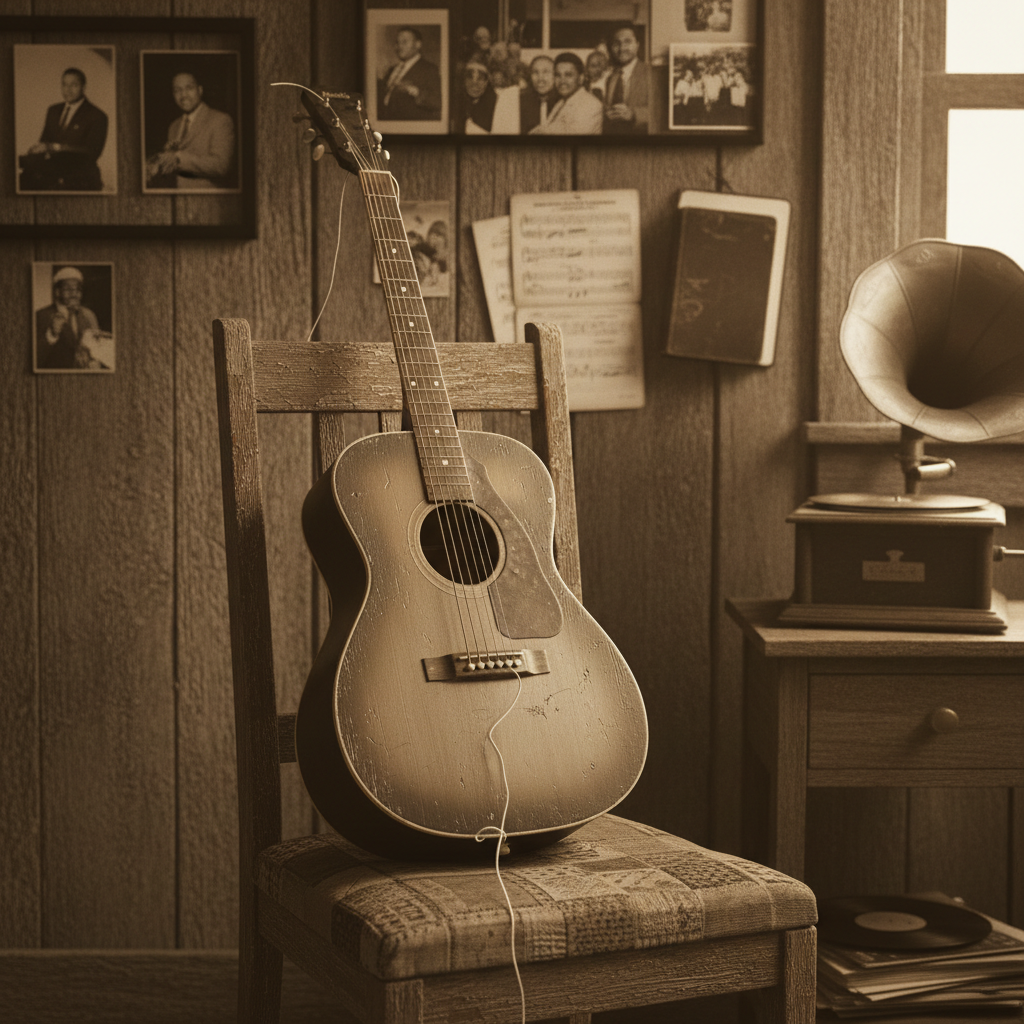
Gospel Guitar vs Blues Guitar: Understanding the Differences
Explore the differences between gospel guitar and blues guitar in this comprehensive guide. Learn unique techniques, emotional expressions, and how to blend both styles.
By Julian Hoover
Gospel music and blues music are two rich and expressive genres, both of which have made significant contributions to the evolution of guitar playing. For gospel and worship guitarists, understanding the nuances between gospel guitar and blues guitar is essential for enhancing your playing style and musical expression. In this article, we’ll dive deep into the unique characteristics of each genre, helping you to appreciate their differences and, hopefully, inspire your playing.
The Roots of Gospel and Blues Music
What is Gospel Music?
Gospel music is a genre that primarily focuses on expressing faith, spirituality, and the teachings of Jesus Christ. Originating from African American communities in the early 20th century, gospel music combines traditional hymns with contemporary elements, creating a unique sound that resonates deeply with congregations and worshippers.
Characteristics of Gospel Music:
- Theme: Primarily religious and uplifting.
- Instrumentation: Often incorporates the piano, organ, and guitar.
- Vocal Style: Frequently features harmonies and call-and-response.
What is Blues Music?
Blues music, on the other hand, emerged from African American communities in the Deep South during the late 19th and early 20th centuries. It is rooted in the pain and struggles of life, characterized by poignant lyrics and emotional expression. The blues has influenced countless other music genres, making it one of the most significant forms of American music.
Characteristics of Blues Music:
- Theme: Often focuses on personal struggle, heartbreak, and resilience.
- Instrumentation: Primarily guitar, harmonica, and sometimes piano or bass.
- Vocal Style: Features expressive singing with a strong emotional narrative.
The Guitar Techniques in Gospel and Blues
Guitarists in both genres utilize distinct techniques that differentiate their styles. Here, we will highlight some of the key techniques used in gospel and blues guitar playing.
Gospel Guitar Techniques
-
Chord Voicings:
- Gospel guitarists often use extended chords such as 7th, 9th, and 13th chords. These chords add depth and richness to the music.
- Open chords are prevalent for a fuller sound in worship settings.
-
Strumming Patterns:
- Gospel music typically employs a steady strumming pattern to maintain rhythm, with emphasis on the downbeat to encourage congregational singing.
- Use of syncopation can create dynamic interludes.
-
Fingerpicking:
- Many gospel songs incorporate fingerpicking for intricate melodies. This allows the guitarist to play both melody and harmony simultaneously.
-
Hammer-Ons and Pull-Offs:
- These techniques are often used to enhance melodic lines, giving a fluid motion to the music.
Blues Guitar Techniques
-
Chord Progressions:
- The 12-bar blues progression is a hallmark of blues music. Understanding this structure is critical for improvisation.
- Use of dominant 7th chords creates the quintessential blues sound.
-
Bending Notes:
- String bending is essential in blues guitar to evoke emotional responses. It’s often used to mimic vocal expressions.
-
Slide Guitar:
- Utilizing a slide creates a distinct sound that is often associated with traditional blues music. It allows for smooth transitions between notes.
-
Pentatonic Scale:
- The minor pentatonic scale is a dominant scale in blues. Mastering this scale will greatly enhance a guitarist’s ability to improvise.
The Emotional Differences
While both genres serve to communicate emotions, the contexts and themes differ.
Gospel Music’s Uplifting Nature
Gospel music aims to uplift the spirit and encourages communal worship. The emotions expressed through guitar playing in gospel are often joyful and hopeful.
Blues Music’s Expressions of Struggle
Conversely, blues music often showcases raw emotion, reflecting the complexities of life’s challenges. Guitarists may channel feelings of sorrow, heartbreak, or resilience, connecting deeply with their audience.
Incorporating Gospel and Blues Elements
For guitarists looking to create a unique sound, blending gospel and blues elements can result in a rich musical experience. Here are some tips for integrating both styles into your playing:
- Experiment with Chord Progressions:
Try using a gospel progression with bluesy notes, or vice versa. This will allow you to explore new harmonic possibilities. - Use Emotional Expression:
Whether playing a worship song or a blues tune, focus on conveying emotions through your strumming patterns and note choices. - Practice Improvisation:
Utilize pentatonic scales along with gospel-style chords to create solos that resonate with the audience.
Conclusion
Understanding the differences between gospel guitar and blues guitar not only enriches your playing but also deepens your appreciation for these genres. By recognizing the unique techniques, emotions, and characteristics that each style embodies, gospel and worship guitarists can enhance their skills and creativity. Whether you favor the uplifting spirit of gospel or the emotional depth of blues, embracing both styles can lead to a fulfilling and versatile guitar journey.
As you continue your learning online, remember to practice these techniques and let the music flow through you. Happy playing!
Ready to Learn More?
Explore free YouTube lessons and exclusive Patreon content from Julian Hoover.