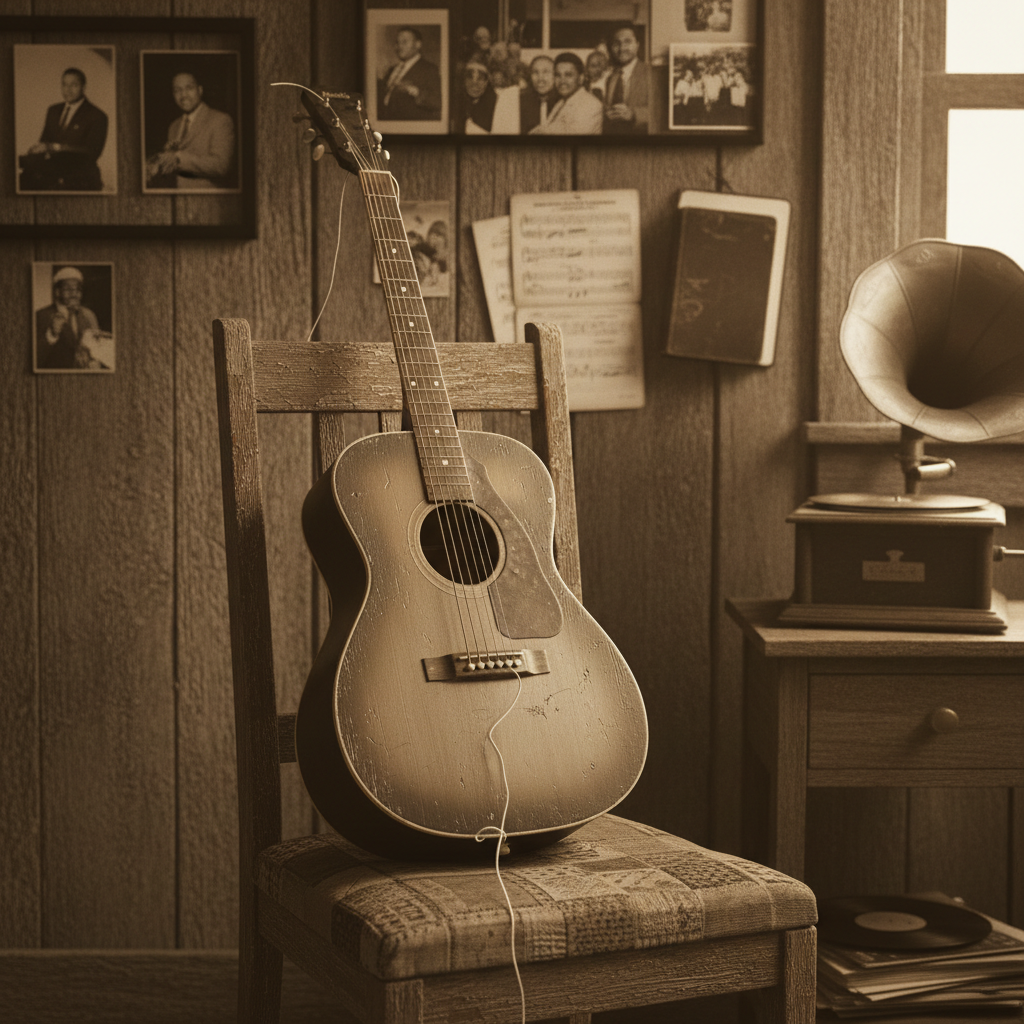
The History of Gospel Guitar Music
Explore the rich history of gospel guitar music with Julian Hoover. From its origins to contemporary styles, discover how gospel guitar is evolving today.
By Julian Hoover
Gospel guitar music has a rich history intertwined with the cultural and spiritual fabric of American life. As a genre, it has evolved over decades, rooted in the African American experience and reflecting a multitude of musical styles. This article explores the journey of gospel guitar music, highlighting its origins, evolution, and its role in worship today. Whether you’re a seasoned guitarist or just starting on your path in gospel music, understanding its history can deepen your appreciation and enhance your playing.
Origins of Gospel Music
The roots of gospel music can be traced back to the 19th century, influenced by various musical styles. Here are some of the key elements that shaped its beginnings:
- Spirituals: Often the earliest form of gospel music, spirituals emerged from the African American community as expressions of their faith and hardship.
- Hymns: Traditional hymns played a vital role, bringing European musical structures into the African American church context.
- Blues: The emotional intensity and storytelling of the blues contributed significantly to the development of gospel music.
The Birth of Modern Gospel
In the early 20th century, gospel music began to take a more defined shape. Key figures emerged during the 1930s and 1940s who would have a lasting impact on the genre.
- Thomas A. Dorsey: Often called the “father of gospel music,” he fused blues and spiritual music.
- Mahalia Jackson: Her powerful and emotive voice brought gospel into the mainstream, showcasing its beauty to wider audiences.
- Guitar's Role: Early gospel guitarists often used simple chord progressions and fingerpicking techniques, emphasizing rhythm and emotion.
The Evolution of Gospel Guitar Techniques
As gospel music grew, so did the guitar's role within it. Let's look at the techniques that evolved along with changing styles.
Early Acoustic Techniques
- Fingerpicking: Many early gospel guitarists used fingerpicking styles that allowed them to play melodic lines and harmonized chords simultaneously.
- Flatpicking: This technique was popularized by many gospel singers, making the guitar more prominent in church services.
- Open Tunings: Utilizing open tunings created rich, resonant chords that added depth to worship music.
Electric Guitar and Contemporary Gospel
With the advent of rock and blues, the electric guitar began to play a key role in gospel music during the 1960s and 1970s.
- Amplification: This brought a new sound and allowed for dynamic worship experiences.
- Influence of Rock: Artists like Andraé Crouch integrated rock elements, leading to contemporary gospel styles that resonate with younger audiences today.
- Gospel Fusion: Merging gospel with other genres, such as soul, R&B, and hip-hop, has led to exciting and vibrant worship music.
Key Artists Influencing Gospel Guitar
Throughout time, several artists have made significant contributions to gospel guitar music. Knowing their work can inspire your own playing.
- David Gungor: A modern worship leader known for his contemporary approach to gospel guitar music.
- Israel Houghton: His innovative blend of traditional gospel with diverse styles has revitalized the genre.
- Tasha Cobbs Leonard: A powerhouse vocalist whose recordings highlight the guitar's role in contemporary worship.
Learning Gospel Guitar Online
As more musicians seek to learn online, resources are increasingly available for aspiring gospel guitarists. Here are some tips to help you on your journey:
- Utilize Video Tutorials: Platforms like YouTube offer countless tutorials, from basic chords to intricate licks.
- Join Online Communities: Engage with fellow guitarists on forums and social media groups focused on gospel music.
- Take Structured Lessons: Consider enrolling in online courses specifically for gospel guitar music to deepen your understanding and skills.
Essential Chord Progressions
Understanding common chord progressions in gospel music can elevate your playing.
- I-IV-V: This simple yet effective progression is frequently used in gospel music.
- I-vi-IV-V: A beloved progression known for its emotional resonance.
- II-V-I: This jazz-like movement finds its way into modern gospel arrangements.
Conclusion
The history of gospel guitar music is a testament to its power and versatility within worship settings. By appreciating its roots and embracing its evolution, you can not only enhance your skills as a guitarist but also connect more deeply with the music you love. As you embark on or continue your journey in gospel guitar, let the rich history inspire your creativity and passion for worship.
---
About the Author:
Julian Hoover is a gospel guitar instructor with years of experience teaching aspiring musicians. He believes in the transformative power of music and is dedicated to sharing the joy of gospel guitar with others.
Ready to Learn More?
Explore free YouTube lessons and exclusive Patreon content from Julian Hoover.